About us Tailored Legal Solutions You Can Depend On
Rashid Alsuwaidi Advocates & Legal Consultants is a leading legal firm and consultancy located in Dubai. Our aim is to provide professional and legal assistance for our Dubai and Gulf Region clients. We ensure that every step is taken to address your concerns and queries with sound legal advice. Whether you are interested in an attorney lawyer or consultancy service, we are here for you.

4.5% Tax Saved
Make your dream come true have ideas, goals.

10.5% Conversation Rate
Business strategy is the means by which it sets.

80% Cost Savings
We have a culturally diverse, forward thinking team.

Our Servies What We Do

Wills and Inheritance Lawyer Dubai
What happens to your property, your business, and the
guardianship of your children if you die in the UAE depends entirely on whether
you made a will — and expatriates who assume their home-country rules
automatically apply are often wrong. Rashid Al Suwaidi Advocates & Legal
Consultants drafts and registers wills in Dubai for Muslims and non-Muslims,
advises on inheritance and probate, and represents heirs in estate disputes
before the Dubai Courts.
Inheritance in the UAE is governed for Muslims by Sharia
principles under the Personal Status Law, while non-Muslims can register a will
— including a DIFC will covering UAE and worldwide assets — and, in many cases,
have the law of their home country applied. Getting the right will in place is
what determines whether your estate passes smoothly or freezes in a dispute. We
handle both the planning and the litigation, and coordinate with our family
and personal status team where guardianship is involved.
Wills and
Inheritance Matters We Handle in Dubai
·
Wills for
Non-Muslim Expatriates: Drafting and registering a will in Dubai that
directs how your UAE assets are distributed and who becomes guardian of your
children.
·
DIFC
Wills: Preparing and registering DIFC wills through the DIFC Wills Service
Centre, covering UAE and, in some cases, worldwide assets.
·
Estate
Distribution Under Sharia: Advising Muslim heirs on their shares, obtaining
the succession certificate, and completing the distribution correctly.
·
Application
of Home-Country Law: Advising non-Muslim clients on requesting that their
national law govern their inheritance, and structuring documents to support it.
·
Probate
and Estate Administration: Opening the estate file, notifying heirs,
valuing assets, settling debts, and distributing the estate through the Dubai
Courts.
·
Transfer
of Inherited Real Estate: Transferring property to heirs and resolving
disputes over inherited property through the Dubai Land Department. See real estate.
·
Business
and Share Succession: Passing on shares and business interests without
paralysing the company, coordinated with our corporate
team.
·
Heir and
Estate Disputes: Representing heirs in contested estates, challenges to a
will, and disputes over distribution.
Why a Registered Will in Dubai Matters
Without a valid, registered will, a non-Muslim's UAE
estate can default to Sharia distribution, which may divide assets very
differently from what the family expects — and bank accounts and assets can be
frozen while the position is resolved. For expatriate parents, the guardianship
of children is the most urgent risk of all, because a default outcome may not
reflect your wishes.
A properly drafted will in Dubai — whether a DIFC will or
a Dubai Courts will — fixes the distribution of your assets, names the guardian
you choose, and dramatically shortens the process for your family at the worst
possible time. We assess your assets and family situation, recommend the right
instrument, and register it so it holds up when it is needed.
How Wills
and Inheritance Work in Dubai — The Process
·
Step 1 — Estate
and Asset Review: We map your assets, family circumstances, and nationality
to identify which law applies and which will protects you.
·
Step 2 —
Drafting or Probate Filing: We draft and register the will, or where a
person has passed, open the estate and probate file with the court.
·
Step 3 —
Court Application and Heir Notification: We obtain the succession
certificate, notify heirs, and address any objection.
·
Step 4 —
Distribution, Transfer, and Disputes: We complete the transfer of property,
funds, and shares to the heirs, and litigate any contested point through to
judgment.
Frequently Asked Questions — Wills and
Inheritance in Dubai
What happens to my
assets if I die in Dubai without a will?
Without a registered will, a non-Muslim's UAE estate can be
distributed under Sharia principles, which may not match your intentions, and
assets can be frozen while the estate is resolved. A registered will in Dubai
avoids this uncertainty.
Do I need a DIFC
will in Dubai?
A DIFC will, registered through the DIFC Wills Service
Centre, lets non-Muslims direct their UAE and, in some cases, worldwide assets
and appoint guardians. It is one of several routes we assess against your
situation.
Can non-Muslims
choose their home country's law for inheritance in the UAE?
In many cases yes. Non-Muslim expatriates can register a
will and request that their home country's law apply to their estate. We advise
on how to structure this so it is respected.
How is a Muslim's
estate divided in the UAE?
A Muslim's estate is distributed among heirs according to
Sharia shares under the Personal Status Law, following a succession certificate
from the court. We advise heirs and complete the distribution.
Can heirs contest a
will or an inheritance in Dubai?
Yes. Heirs can challenge the validity of a will or the
distribution of an estate. We represent both those defending a will and those
contesting one before the Dubai Courts.
Protect
Your Estate and Your Family — Contact Us
Whether you need a will drafted and registered or you are
facing a probate or inheritance dispute, call +971 50 767 9696, message us on WhatsApp, or email info@ralsuwaidi.com for a
confidential consultation. Arabic and English spoken.

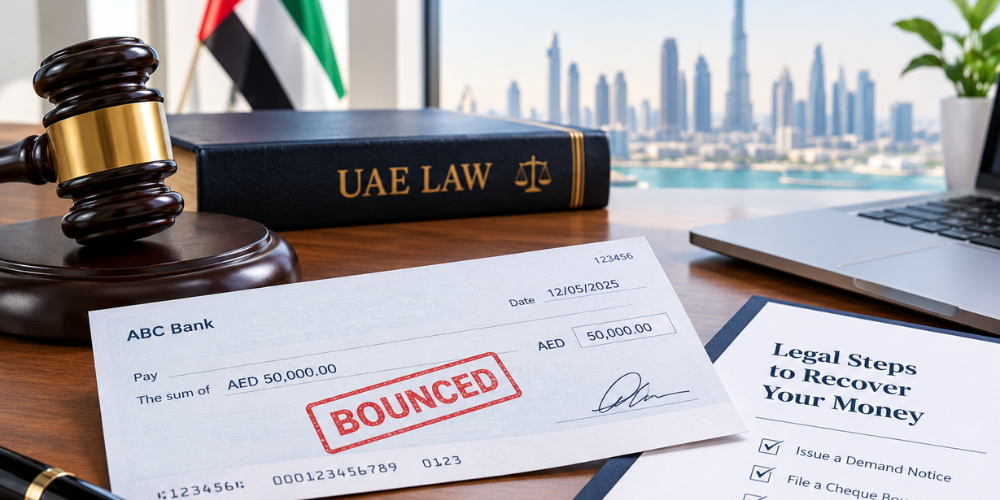
Bounced Cheque Lawyer Dubai (UAE)
A bounced cheque in the UAE is treated very differently
than it once was — since the cheque law reforms, most cases are civil, the
cheque itself is enforced directly as an executive instrument, and criminal
liability survives only in specific bad-faith situations. Rashid Al Suwaidi
Advocates & Legal Consultants acts on both sides of a bounced cheque case
in Dubai: recovering money for payees left with a dishonoured cheque, and
defending drawers facing claims, travel bans, and the residual criminal cases.
Whether you are holding a cheque that bounced or facing a
case over one you issued, the route, the risk, and the strategy differ
completely — and the wrong first move is expensive. We assess your position,
tell you which track applies, and act fast, in Arabic before the Dubai Courts
and in English with you.
If You Are
Owed Money on a Bounced Cheque
·
Direct
Execution on the Cheque: A dishonoured cheque now functions as an executive
instrument, allowing execution directly against the drawer's assets without
full litigation — one of the fastest recovery routes under current UAE law.
·
Precautionary
Attachment: Freezing the drawer's bank accounts, vehicles, or property so
there is something to recover against.
·
Civil
Debt Claim: Where the cheque is disputed, a full civil claim for the
underlying debt, interest, and costs. See our debt collection
page.
·
Criminal
Complaint Where Bad Faith Applies: Filing the criminal complaint in the
limited situations the law still treats as an offence.
If a Bounced Cheque Case Has Been
Filed Against You
·
Defending
Residual Criminal Cases: Representing you in the specific bad-faith cases
that remain criminal, and closing police files through settlement.
·
Settlement
Negotiation: Negotiating structured settlements that resolve the debt and
stop the cheque being used to inflate it. See debt defence.
·
Lifting
Travel Bans and Account Freezes: Identifying and removing bans and
attachments linked to the cheque. See our travel ban page.
·
Challenging
Inflated Claims: Requesting court-appointed accounting review where the
amount claimed does not withstand scrutiny.
When a Bounced Cheque Is Still a Crime
in the UAE
After the reforms, genuine inability to pay a cheque in
the UAE is generally a civil matter, not a crime. Criminal exposure remains in
defined bad-faith situations — for example issuing a cheque with intent to
defraud, or acting so the cheque cannot be cashed. A security cheque in the UAE
given for a loan or rent usually falls on the civil side. In most cases today
the real consequences are civil: direct execution, asset attachment, and travel
bans. Either way the debt remains fully enforceable, so early legal advice is
what protects your position.
How a
Bounced Cheque Case Works — The Process
·
Step 1 —
Assessment: We review the cheque, the underlying transaction, and any case
already filed, and identify the correct route — civil execution, criminal, or
defence and settlement.
·
Step 2 —
Filing or Response: We commence execution or the civil claim for payees, or
file the defence and open settlement talks for drawers.
·
Step 3 —
Attachment or Negotiation: We attach assets to secure recovery, or
negotiate a documented settlement and lift any linked ban.
·
Step 4 —
Recovery or Closure: We enforce until you are paid, or close the file and
clear the record.
Frequently Asked Questions — Bounced
Cheque Cases in the UAE
Is a bounced cheque
a crime in the UAE?
In most cases, no longer. Since the cheque law reforms,
genuine inability to pay is a civil matter and the cheque is enforced directly.
Criminal liability remains only in limited bad-faith situations, such as
issuing a cheque with intent to defraud.
How do I recover
money from a bounced cheque in Dubai?
A dishonoured cheque can be enforced directly as an
executive instrument against the drawer's assets, often faster than a lawsuit.
We can also attach the drawer's accounts and property to secure the amount.
Can a travel ban be
lifted after a bounced cheque case?
Yes. A ban linked to a cheque case can be lifted through
settlement, payment, or court application. We identify the ban, resolve the
underlying case, and confirm its removal.
What happens if I
cannot pay a cheque I issued in the UAE?
Ignoring it leads to judgments in absence, attachment, and
bans. Approached early through a lawyer, payees routinely accept structured
settlements with waived penalties. We negotiate and manage the case.
How fast is cheque
execution in Dubai?
Because the cheque is an executive instrument, execution
can begin quickly once filed, without a full trial. The timeline then depends
on how fast the drawer's assets are located.
Holding a
Bounced Cheque or Facing a Case? Contact Us
Send us the cheque and the details of the transaction for
a confidential assessment. Call +971 50 767 9696, message us on WhatsApp,
or email info@ralsuwaidi.com. Arabic and English spoken.

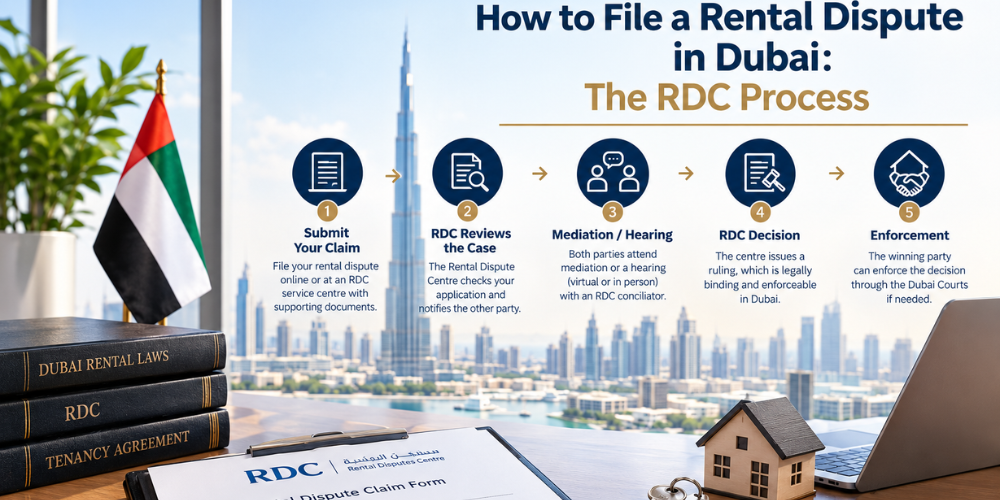
Rental Dispute Lawyer Dubai
A rental dispute in Dubai moves quickly and is decided on
documents most tenants and landlords never prepare properly — the Ejari
registration, the notarised notice, the rent index calculation. As a rental
dispute lawyer in Dubai, Rashid Al Suwaidi Advocates & Legal Consultants
represents both landlords and tenants before the Rental Dispute Center (RDC),
from eviction and unpaid rent to deposit recovery and unlawful rent increases.
Rental cases in Dubai are governed by the emirate's
tenancy laws and the RERA rental index, and are filed at the Rental Dispute
Center (the RDC in Dubai) rather than the ordinary courts. First hearings are
often listed within weeks, so the party that prepares early usually controls
the outcome. We handle the full process in Arabic and report to you in English.
For sale, off-plan, and ownership disputes, see our real estate
page.
Rental
Disputes We Handle in Dubai
·
Eviction Cases:
Representing landlords seeking possession on lawful grounds, and defending
tenants against eviction notices that miss the strict requirements. Eviction
for sale or personal use generally requires 12 months' notice served through
the notary public or registered mail.
·
Unpaid
Rent and Cheque Recovery: Recovering arrears and bounced rent cheques for
landlords, and resolving payment disputes for tenants. See our bounced cheque
page for dishonoured rent cheques.
·
Security
Deposit Recovery: Claims by tenants for wrongly withheld deposits, and
defence of legitimate deductions by landlords.
·
Unlawful
Rent Increases (RERA Index): Challenging or defending rent increases
against the RERA rental index in Dubai, which caps how much rent can rise on
renewal.
·
Early
Termination and Break Clauses: Disputes where a tenant vacates early, or a
landlord ends a contract without grounds, and the resulting compensation
claims.
·
Maintenance
and Habitability Disputes: Claims arising from a landlord's failure to
maintain the property, and disputed responsibility for repairs.
·
Commercial
Lease Disputes: Rent, renewal, and eviction disputes for shops, offices,
and warehouses, where the sums and stakes are higher.
Filing at the Rental Dispute Center
(RDC) — Know Your Position First
The Rental Dispute Center in Dubai applies rules that
regularly surprise both sides. A landlord needs 12 months' notarised notice to
evict for personal use or sale, and cannot simply refuse renewal. Rent
increases are capped by the RERA rental index and are unlawful above it — the
RERA rent calculator in Dubai is the starting point, not the final word. A
tenant who leaves early without a break clause may owe compensation. Filing fees
at the RDC are typically a percentage of the annual rent.
We tell you before filing whether your rental dispute
actually wins. If your position is weak, we negotiate a settlement rather than
bill you for a losing case — and if it is strong, we move fast to secure the
hearing date and the evidence before the other side does.
How a
Rental Dispute Works in Dubai — The Process
·
Step 1 —
Notice and Documentation: We serve the correct notarised notice or demand
and assemble the tenancy contract, Ejari, correspondence, and payment records
the RDC requires.
·
Step 2 —
Filing at the RDC: We file the case with the supporting evidence and pay
the filing fee, framing the claim to match how the Rental Dispute Center
assesses it.
·
Step 3 —
Hearing and Judgment: We represent you at the hearing and submit memoranda.
First-instance judgments are often issued within weeks.
·
Step 4 —
Appeal and Execution: Where the amount allows an appeal, we handle it, and
we enforce the judgment — eviction, arrears collection, or deposit return —
through execution.
Frequently Asked Questions — Rental
Disputes in Dubai
How do I file a
rental dispute in Dubai?
Rental cases are filed at the Rental Dispute Center (RDC)
with the tenancy contract, Ejari registration, correspondence, and payment
records. We prepare and file the case for you and handle every hearing through
to execution.
Can my landlord
increase my rent in Dubai?
Only within the limits of the RERA rental index in Dubai,
which caps increases based on how far your rent sits below the market average,
and only with proper written notice before renewal. Increases above the index
can be challenged at the RDC.
How much notice
does a landlord need to evict a tenant in Dubai?
Eviction for sale or personal use generally requires 12
months' notice served through the notary public or registered mail. Notices
that miss these requirements are routinely dismissed at the Rental Dispute
Center.
How much does it
cost to file a case at the Rental Dispute Center?
Filing fees at the RDC are typically a percentage of the
annual rent, subject to a cap. We confirm the exact fee for your case before
filing.
Can a tenant be
evicted for not paying rent in Dubai?
Yes. Non-payment is a lawful ground for eviction, but the
landlord must follow the correct notice procedure first. We act for landlords
enforcing this and for tenants disputing the arrears claimed.
Resolve
Your Rental Dispute — Contact Us
Whether you are a landlord seeking possession or a tenant facing eviction or a deposit loss, call +971 50 767 9696, message us on WhatsApp, or email info@ralsuwaidi.com for a confidential review. Arabic and English spoken.

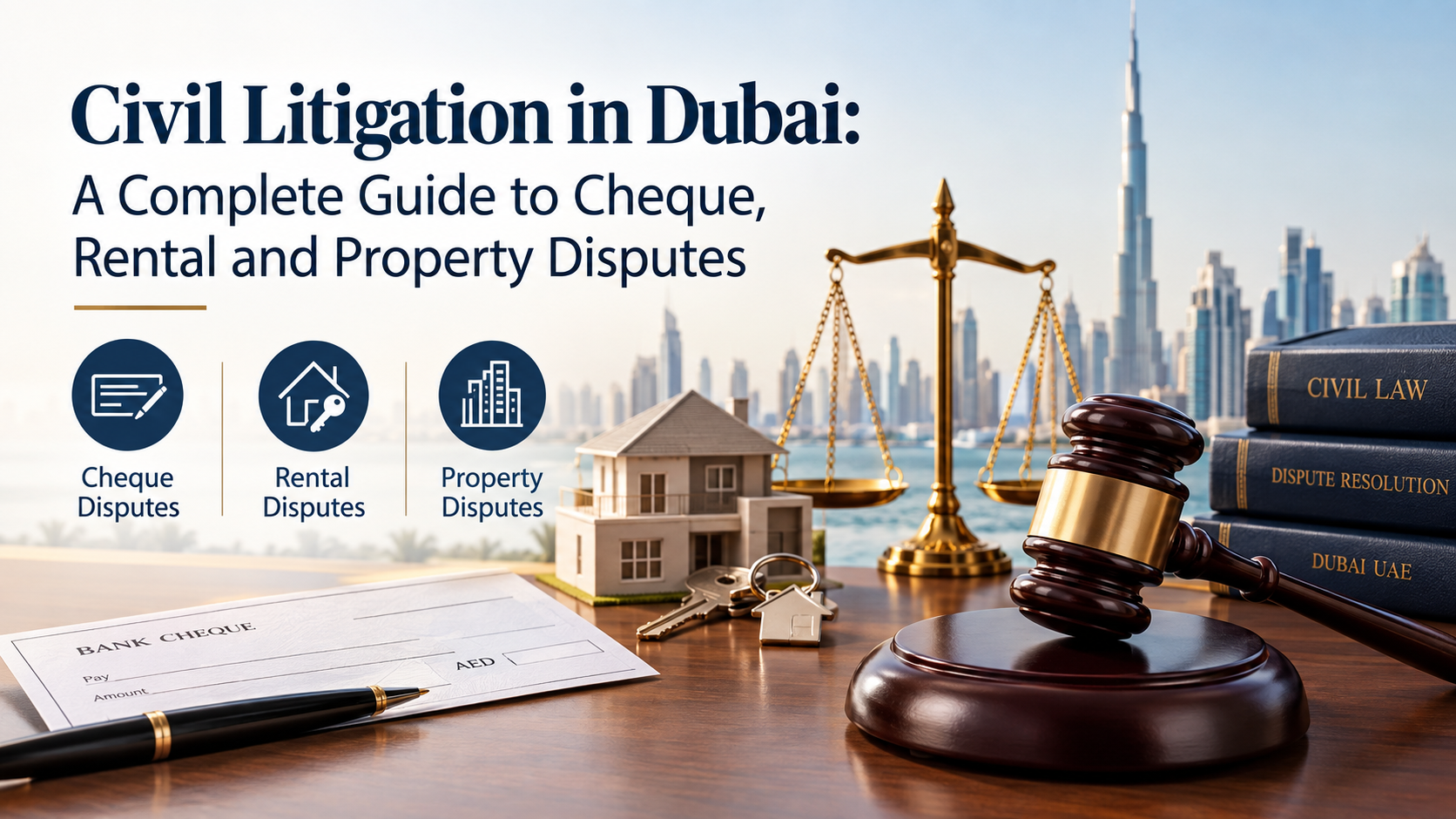
Civil Lawyer Dubai
Most disputes between two parties in Dubai — an unpaid
contract, a broken agreement, a claim for damages, a dispute over money or
property — are resolved as a civil case before the Dubai Courts. As a civil
lawyer in Dubai, Rashid Al Suwaidi Advocates & Legal Consultants is an
Emirati-led firm in Deira representing individuals, companies, and investors in
civil claims and defences across the UAE, from the first legal notice to final
execution against the other side's assets.
Civil litigation in Dubai runs through the ordinary courts
under the UAE Civil Transactions Law and the Civil Procedure Law, in
Arabic-language proceedings. As licensed advocates with full rights of audience
before the Court of First Instance, Court of Appeal, and Court of Cassation, we
conduct your civil case in Arabic and keep you informed in English at every
stage.
Civil Cases
We Handle in Dubai
·
Contract
and Agreement Disputes: Breach of contract, non-payment, defective
performance, and cancelled deals — the most common civil case type in Dubai. We
also defend clients wrongly pursued on contracts they never breached. For
business-to-business matters, see our corporate
and commercial page.
·
Damages
and Compensation Claims: Civil claims for financial loss, injury, and moral
damages arising from accidents, negligence, and wrongful acts.
·
Debt and
Money Claims: Recovering money owed under loans, invoices, and
acknowledgements, or defending inflated and time-barred claims. For
enforcement-led recovery, see debt collection.
·
Cheque-Based
Civil Claims: Since the cheque law reforms, most dishonoured cheques are
pursued as a civil case and enforced directly. See our bounced cheque
page.
·
Property
and Real Estate Civil Claims: Ownership, co-owner, and contract disputes
that fall outside the Rental Dispute Center. See real estate.
·
Precautionary
Attachment and Injunctions: Urgent applications to freeze bank accounts,
vehicles, shares, or property so there is something to execute against when
judgment is issued.
·
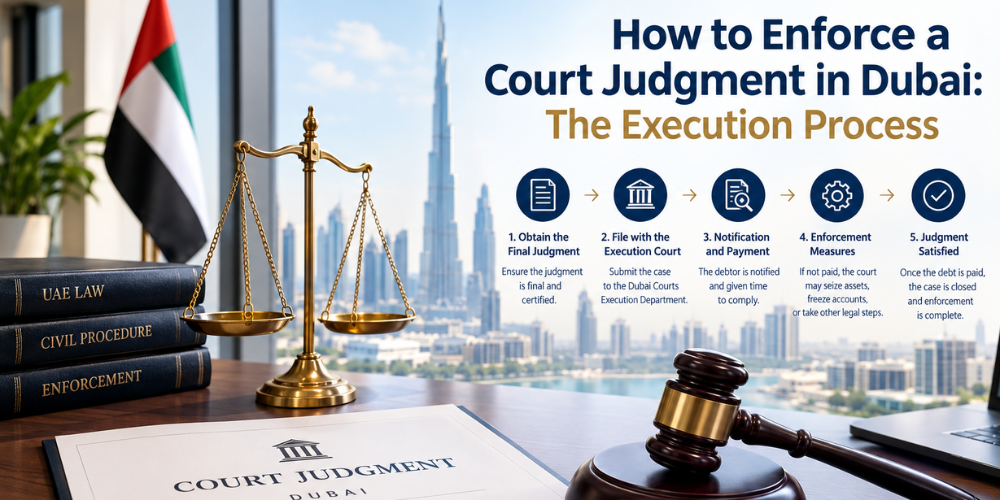
Enforcement
of Judgments and Awards: Execution of local judgments, foreign judgments,
and arbitral awards through the Dubai execution courts.
Why Choose Rashid Al Suwaidi Advocates
for Your Civil Case
A civil case in Dubai is decided on documents and
procedure — the contract wording, the correspondence, the expert's report, and
whether each step was filed correctly and on time. A strong claim filed badly
loses, and a weak claim defended well can be reduced or dismissed. We assess
your file honestly before you spend on litigation, tell you the realistic
outcome and cost, and settle where settlement serves you better than a
judgment.
As an Emirati advocacy firm minutes from the Dubai Courts
complex in Deira, we appear in civil matters daily and know how judges and
court-appointed experts weigh evidence. With a power of attorney in Dubai, we
run the whole case without you needing to attend.
How a Civil
Case Works in Dubai — The Process
·
Step 1 —
Assessment and Legal Notice: We review your contracts, correspondence, and
evidence, advise whether the claim is worth pursuing, and send a formal legal
notice — which resolves a significant number of disputes before court.
·
Step 2 —
Filing the Claim: We draft and file the statement of claim in Arabic, with
precautionary attachment where the other party is a flight or asset-dissipation
risk.
·
Step 3 —
Hearings and Expert Stage: We submit memoranda and evidence and represent
you at every hearing, including before court-appointed experts whose report
often decides the case.
·
Step 4 —
Judgment, Appeal, and Execution: We enforce a favourable judgment against
the other side's assets, or challenge an adverse one on appeal and cassation.
Frequently Asked Questions — Civil
Case Law in Dubai
How long does a
civil case take in Dubai?
A straightforward documented civil case can conclude at
first instance within a few months. Contested claims with an expert stage take
longer, and appeals add time. We give a realistic timeline after reviewing your
file.
What is the time limit
to file a civil case in the UAE?
Limitation periods depend on the type of claim —
contractual, tort, commercial, and cheque claims each have their own deadlines
that can be interrupted by acknowledgement or partial payment. Because a missed
deadline is usually fatal, have your case assessed early.
Do I have to attend
the Dubai Courts in person for a civil case?
No. With a power of attorney in Dubai we conduct the
entire civil case on your behalf — filing, hearings, the expert stage, and
execution — so overseas clients never need to appear.
Can a foreigner
file a civil case in Dubai?
Yes. Residents and non-residents have full standing before
the Dubai Courts, and we regularly act for overseas clients through power of
attorney.
How much does a
civil lawyer in Dubai cost?
We quote a fixed fee per stage — first instance, appeal,
and execution — so you know your total exposure in advance. Partial success-fee
arrangements may be available for strong documented claims.
Start Your
Civil Case the Right Way — Contact Us
Send us your contract, correspondence, and evidence for a confidential assessment before you file. Call +971 50 767 9696, message us on WhatsApp, or email info@ralsuwaidi.com. Arabic and English spoken.

Maritime Shipping Lawyer Dubai
Dubai's ports and the Deira creek trade move enormous volumes of cargo every day — and with them, disputes: damaged or missing goods, unpaid freight, delayed vessels, rejected insurance claims, and contested demurrage. These cases are governed by the UAE Maritime Law and specialised international conventions, with short deadlines that ordinary commercial lawyers routinely miss. Rashid Al Suwaidi Advocates & Legal Consultants, based in Deira minutes from Port Saeed and the creek trading houses, represents traders, shippers, freight forwarders, and transport companies in maritime and transport disputes across the UAE.
Maritime & Transport Matters We Handle
- Cargo Damage and Loss Claims: Claims under bills of lading for damaged, short-delivered, or missing cargo — against carriers, and defence of carriers and forwarders against inflated claims. Time limits in cargo claims are unforgiving; some notices must be given within days of delivery.
- Ship Arrest and Release: Precautionary arrest of vessels in UAE ports to secure maritime debts — unpaid bunkers, crew wages, collision damage, unpaid freight — and urgent applications to release arrested vessels against guarantees.
- Charterparty and Freight Disputes: Demurrage claims, unpaid freight and hire, off-hire disputes, and disputes between owners, charterers, and agents.
- Marine Insurance Disputes: Rejected or underpaid hull and cargo insurance claims, and subrogated recovery actions.
- Land Transport and Logistics Disputes: Claims arising from road haulage, cross-border GCC trucking, warehousing, and freight forwarding contracts — including cargo theft, delay, and temperature-damage claims.
- Trade and Shipping Documentation: Drafting and reviewing contracts of carriage, forwarding terms, agency agreements, and letters of indemnity before they become disputes.
Why Deadlines Decide Maritime Cases
Maritime claims live and die on limitation periods: cargo claims under bills of lading are typically time-barred within one year, and reservation notices for apparent damage may need to be made at delivery itself. Arrest applications succeed on documentation quality and speed — a vessel that sails tonight cannot be arrested tomorrow. If you have a maritime or cargo dispute, the correct time to call is the day it happens, with the bill of lading, survey report, and correspondence in hand.
Why Choose Rashid Al Suwaidi Advocates
Maritime litigation in the UAE runs through the ordinary courts applying the Maritime Law — which means it rewards firms that combine commercial litigation experience with rights of audience before all Dubai courts. Our Deira location puts us in the middle of the creek and Port Saeed trading community we serve, and we conduct proceedings in Arabic while reporting to international clients in English. For traders, a retainer arrangement covering documentation review and dispute response is available.
Frequently Asked Questions — Maritime & Transport Law in the UAE
How long do I have to file a cargo claim in the UAE?
Cargo claims under bills of lading are generally time-barred one year from delivery (or the date the goods should have been delivered), and visible damage should be reserved in writing at delivery. Other transport claims carry their own periods — have the documents reviewed immediately.
Can a ship be arrested in Dubai for unpaid debts?
Yes. UAE law permits precautionary arrest of vessels for defined maritime debts, including unpaid supplies, crew wages, collision liabilities, and freight. The application is made urgently, supported by documentary proof of the debt, and can secure the claim before the vessel departs.
My cargo arrived damaged. Who do I claim against — the carrier or the insurer?
Usually both tracks run in parallel: the insurance claim for immediate recovery, and the liability claim against the carrier or forwarder — often pursued by the insurer through subrogation. The bill of lading terms, the survey report, and the notice given at delivery determine both claims.
Do UAE courts apply international shipping conventions?
The UAE Maritime Law incorporates principles aligned with international practice, and contractual choices of law and jurisdiction in bills of lading and charterparties are assessed by the courts case by case. Where arbitration clauses apply, we represent clients in the arbitration and in enforcing the award in the UAE.
Move Fast on Maritime Disputes — Contact Us
Send us the bill of lading, survey report, and correspondence today. Call +971 50 767 9696, message us on WhatsApp, or email info@ralsuwaidi.com.

Compensation Lawyer Dubai
UAE law gives an injured person the right to full compensation — for medical costs, lost income, permanent disability, and moral (psychological) damages — but nothing is paid automatically. Compensation must be claimed, proved, and quantified before the civil courts, usually after a police report or criminal judgment establishes fault. Rashid Al Suwaidi Advocates & Legal Consultants files and litigates compensation claims across Dubai for accident victims, injured workers, patients, and families of deceased victims.
Compensation Claims We Handle in Dubai
- Car and Traffic Accident Compensation: Claims against the at-fault driver and their insurer for injuries, vehicle damage, treatment costs, and loss of income — built on the police report, the traffic court judgment, and medical committee assessments. We also claim the statutory blood money (diyya) in fatal accident cases on behalf of the family.
- Work Injury and Occupational Illness: Compensation under the UAE Labour Law for workplace injuries, in addition to civil claims against employers where negligence — missing safety equipment, untrained supervision — goes beyond the statutory scheme. Handled with our labour law team.
- Medical Negligence Claims: Claims for misdiagnosis, surgical errors, and treatment failures, which in the UAE run through the medical liability committee whose report becomes the backbone of the court case. We prepare the complaint so the committee examines the right questions.
- Moral and Psychological Damages: UAE courts award moral damages for pain, disfigurement, reputational injury, and the grief of losing a family member — a component many claimants never ask for and therefore never receive.
- Civil Claims Within Criminal Cases: If you are the victim of an assault, fraud, or defamation, we join your civil compensation claim to the criminal case — the fastest and cheapest route to a damages judgment.
- Insurance Dispute Claims: Actions against insurers who reject or underpay valid claims, including expert re-assessment of the loss.
How Compensation Is Calculated in the UAE
There is no fixed tariff for most injuries: courts assess each case on medical reports, disability percentages fixed by court-appointed experts, actual financial losses, and the claimant's circumstances. This is why two identical injuries can produce very different judgments — the difference is the file. We build claims with complete medical documentation, income evidence, and expert reports, and we appeal awards that undervalue the harm. In fatal cases, the diyya amount is set by law, and additional moral and financial damages can be claimed on top of it for the dependants.
Frequently Asked Questions — Compensation in Dubai
How long do I have to file a compensation claim in the UAE?
Civil damage claims are generally subject to a three-year limitation period from knowledge of the harm and the person responsible — but where the claim depends on a criminal case, the timeline interacts with the criminal proceedings. File early: evidence and witnesses are the first things lost.
How much compensation for a car accident in Dubai?
It depends on the injury severity, the disability percentage assessed by the medical committee, proven financial losses, and moral damages. Minor injury cases may resolve within the insurer's limits; permanent disability and fatal cases produce substantially higher awards including diyya.
Can I claim compensation if the accident was partly my fault?
Yes. UAE courts apportion liability — if you are found partly responsible, the award is reduced proportionally rather than eliminated. The police report's fault allocation can also be challenged before the traffic court.
Do I need to stay in the UAE during my compensation case?
No. With a power of attorney we conduct the entire case — filing, expert sessions, hearings, and collection of the award — while you recover at home or abroad.
What does a compensation lawyer cost in Dubai?
After reviewing the police report and medical file, we quote a fixed fee per stage, and for strong documented claims we can agree a partial success-fee structure tied to the amount recovered.
Injured? Get Your Claim Valued First
Before accepting any insurance offer, know what your claim is actually worth. Call +971 50 767 9696, message us on WhatsApp, or email info@ralsuwaidi.com for a confidential assessment.

Debt Defence-Lawyer Dubai
A missed loan instalment or unpaid credit card in the UAE can escalate quickly: bank calls, a police complaint in limited cases, a civil claim, a travel ban, and frozen accounts. Most people facing a bank case make their situation worse by ignoring it — or by paying whatever the collection agent demands without knowing their legal position. Rashid Al Suwaidi Advocates & Legal Consultants defends individuals in Dubai against bank, loan, credit card, and personal debt claims, and negotiates settlements that borrowers could never obtain on their own.
This page is for people who owe money. If you are owed money, see our Debt Collection Lawyer in Dubai page.
How We Defend Debt Cases in Dubai
- Bank Settlement Negotiation: Banks routinely accept structured settlements — reduced lump sums, waived interest and penalties, extended instalment plans — when approached through lawyers with a credible legal position. We negotiate directly with the bank's legal department, not the collection agency.
- Defending Civil Claims: We review the bank's claim for inflated interest, unlawful charges, and miscalculated balances — UAE courts regularly reduce claimed amounts where the calculation does not withstand expert review — and we request court-appointed accounting experts where the numbers are wrong.
- Statute of Limitations Defence: Debt claims are subject to limitation periods under UAE law. Where the bank has delayed too long, the claim may be time-barred — a defence that must be raised properly and at the right stage, or it is lost.
- Credit Card and Security Cheque Cases: Since the decriminalisation reforms, most bounced security cheques are civil matters. We defend the residual criminal cases, close police files through settlement, and stop the cheque being used to inflate the real debt.
- Travel Ban and Account Freeze Resolution: We identify every ban and attachment linked to the debt, and lift them through settlement, payment into court, or challenge — often the single step that lets a client take a new job or travel for family emergencies.
- Multiple-Debt Restructuring and Insolvency: For individuals with several creditors, the UAE personal insolvency law provides court-supervised settlement plans that stop individual enforcement actions. We assess whether insolvency protection or private restructuring serves you better.
- Harassment by Collection Agencies: Threatening calls to your employer or family can cross into criminal conduct. We put agencies on legal notice and, where needed, file complaints.
What To Do If a Bank Files a Case Against You
- Do not ignore the court notification. Judgments in absence are routinely issued and are harder to unwind than cases defended on time.
- Do not make partial promises in writing to collection agents. Acknowledgments can restart limitation periods and weaken your defence.
- Gather your records: the facility agreement, statements, and every payment made. Inflated claims collapse against complete records.
- Get your position assessed before negotiating. The settlement a bank offers a lawyer-represented debtor is consistently better than what it offers a frightened one.
Frequently Asked Questions — Debt Cases in the UAE
Can I go to jail for credit card debt in the UAE?
Genuine inability to pay is not a crime, and most cheque and debt matters are now civil. Criminal exposure remains only in limited bad-faith situations. The real risks today are civil judgment, travel bans, and asset attachment — all of which are manageable with early legal action.
Will I get a travel ban if I miss loan payments in Dubai?
A travel ban is not automatic — the bank must obtain it through the court, usually after filing a claim. Once imposed, it can be lifted through settlement or by court order. We check whether a ban exists before you travel and handle its removal.
How much will a bank accept as a settlement in the UAE?
It depends on the debt age, your documented circumstances, and whether the bank faces litigation risk on its own calculations. Waiver of accrued interest and penalties is common; reductions on principal happen in genuinely distressed cases. We tell you a realistic range after reviewing your file.
Can the bank take my salary in the UAE?
After judgment, courts can attach a portion of salary through execution, subject to legal limits that protect part of your income. Pre-judgment, banks with a salary-transfer arrangement may apply set-off — one more reason to negotiate before judgment rather than after.
I left the UAE with unpaid debt. Can I fix it from abroad?
Yes. Through power of attorney we verify the cases and bans against you, negotiate the settlement, and clear your record — so you can return to the UAE without arrest risk at entry.
Facing a Debt Case? Get Assessed Before You Respond
Send us the claim documents and your statements for a confidential review. Call +971 50 767 9696, message us on WhatsApp, or email info@ralsuwaidi.com.

Real Estate Lawyer Dubai
Dubai property moves fast — and so do its disputes. A delayed off-plan handover, a landlord refusing to return a deposit, a seller backing out after the MOU, or a developer's unilateral variation can each cost you hundreds of thousands of dirhams if handled late or handled wrong. Rashid Al Suwaidi Advocates & Legal Consultants represents buyers, sellers, landlords, tenants, investors, and developers in every type of real estate matter across Dubai — before the Dubai Courts, the Rental Dispute Center (RDC), and RERA.
Real Estate Legal Services We Provide in Dubai
- Property Disputes and Litigation: Claims for breach of sale agreements, failure to transfer title, developer default, and disputes between co-owners, litigated through the Dubai Property Court from first instance to cassation.
- Off-Plan Property Claims: Delayed handover, cancelled projects, specification changes, and refund claims under Dubai's escrow and interim registration laws (Oqood). We assess whether termination, compensation, or completion is your strongest route.
- Rental Disputes — Landlords and Tenants: Full representation at the Rental Dispute Center: eviction cases, unpaid rent, security deposit recovery, unlawful rent increases outside the RERA index, maintenance failures, and early termination claims. RDC cases move quickly — first hearings are often listed within weeks — so early preparation is decisive.
- Sale and Purchase Agreements: Drafting and reviewing MOUs (Form F), sale contracts, and assignment agreements before you sign; conducting due diligence on title, mortgages, and service charge arrears through the Dubai Land Department.
- Real Estate Fraud and Broker Disputes: Claims involving fake listings, misappropriated deposits, unlicensed brokers, and commission disputes.
- Construction and Contractor Disputes: Defective works, payment claims, and delay disputes between owners and contractors, supported by court-appointed expert proceedings.
- Inheritance of Real Estate: Transfer of property to heirs, sale by heirs, and disputes over inherited property in coordination with our personal status team.
Rental Disputes in Dubai — Know Your Position Before You File
The Rental Dispute Center applies specific rules that surprise both landlords and tenants: a landlord needs 12 months' notarised notice to evict for personal use or sale; rent increases are capped by the RERA rental index; and a tenant who vacates early without a break clause may owe compensation. We tell you before filing whether your case wins — and if your position is weak, we negotiate a settlement instead of billing you for a losing case.
Why Property Clients Choose Rashid Al Suwaidi Advocates
Real estate cases in Dubai are decided on registration records, expert reports, and procedure. As Emirati advocates practising daily before the Property Court and the RDC, we know how judges and court experts assess valuation, delay, and default — and our Deira office is minutes from the courts when urgent attachment or injunction applications are needed. We act in Arabic and English for local and international clients, including overseas investors who never need to travel to Dubai for their case.
Frequently Asked Questions — Real Estate Law in Dubai
What can I do if my off-plan property is delayed in Dubai?
Your options depend on the delay length, the SPA terms, and the project's escrow status. Remedies range from compensation for late handover to full termination and refund. In cancelled projects, refunds are processed through the escrow account under the supervision of a special committee.
How do I file a rental dispute in Dubai?
Rental cases are filed at the Rental Dispute Center with the tenancy contract, Ejari registration, correspondence, and payment records. Filing fees are typically 3.5% of the annual rent. Judgments at first instance are usually issued within weeks, and we handle the entire process including appeal and execution.
Can my landlord evict me to sell the property or use it themselves?
Only with 12 months' written notice served through the notary public or registered mail, and only on the grounds permitted by Dubai's tenancy law. Eviction notices that miss these requirements are routinely dismissed at the RDC.
Do I need a lawyer to buy property in Dubai?
The DLD transfer process is standardised, but the risks sit in what happens before transfer: the MOU terms, deposit protection, mortgage clearance, and seller verification. Legal review before signing costs little compared to litigating a failed deal.
Can a foreigner take a property dispute to court in Dubai?
Yes. Foreign owners and tenants have full standing before the Dubai Courts and the RDC, and we regularly represent overseas clients through power of attorney without their presence in the UAE.
Protect Your Property Interests — Contact Us
For property disputes, rental cases, or contract review, call +971 50 767 9696, message us on WhatsApp, or email info@ralsuwaidi.com.

Debt Collection Lawyer Dubai
Unpaid invoices, dishonoured cheques, and defaulting borrowers drain businesses quietly — and in the UAE, the longer a debt sits, the harder it becomes to recover as debtors move assets, close licences, or leave the country. Rashid Al Suwaidi Advocates & Legal Consultants recovers debts through the legal channels that actually compel payment: payment orders, asset attachment, travel bans, and court execution against bank accounts, vehicles, and property.
Unlike a debt collection agency in Dubai that can only call and pressure, we are licensed Emirati advocates: when a debtor ignores our legal notice, we take them to court and enforce the judgment against their assets.
Our Debt Recovery Services in Dubai
- Legal Notice and Amicable Settlement: A formal legal notice from a licensed law firm changes the conversation. Many debts are settled at this stage, at the lowest cost, with the settlement documented so the debtor cannot default again without consequences.
- Payment Orders (Fast-Track Recovery): Where the debt is confirmed in writing — a cheque, an acknowledged invoice, or a signed contract — UAE law allows a summary payment order without full litigation, often issued within days.
- Civil and Commercial Debt Litigation: Full claims before the Dubai Courts for disputed debts, including interest and legal costs, supported by expert accounting reports where needed.
- Precautionary Attachment of Assets: Before or during a case, we apply to freeze the debtor's bank accounts, vehicles, shares, or property so there is something left to execute against when judgment is issued.
- Bounced Cheque Recovery: Execution directly on the cheque as an executive instrument — one of the fastest recovery routes under current UAE law — alongside criminal complaints where bad-faith conduct applies.
- Judgment Execution: Enforcement of local and foreign judgments and arbitral awards: bank account seizure, salary attachment, property auction, travel bans, and arrest warrants against evasive debtors.
- Corporate Debt and Insolvency: Creditor representation in bankruptcy and preventive composition proceedings, and claims against managers personally where the law allows.
How the Debt Collection Process Works
- Step 1 — Case Assessment: We review your contracts, invoices, cheques, and correspondence and tell you honestly whether the debt is recoverable, through which route, and at what cost — before you spend anything on litigation.
- Step 2 — Legal Notice: A formal demand giving the debtor a short deadline to pay or settle.
- Step 3 — Court Action: Payment order or full claim, combined with precautionary attachment where the debtor is a flight risk.
- Step 4 — Execution: We locate assets through the court's execution systems and enforce until you are paid.
Why Creditors Choose Rashid Al Suwaidi Advocates
Debt recovery is procedural work where local execution-court experience determines the result. Our team files in the Dubai Courts daily and knows which attachment applications succeed, how to trace debtor assets, and when a travel ban application will force a settlement within days. We act for banks, trading companies, contractors, landlords, and individuals owed personal loans, with clear fee structures — including success-fee arrangements for suitable cases.
Frequently Asked Questions — Debt Collection in Dubai
Is it legal to use a debt collection agency in Dubai?
Collection agencies operate in the UAE but have no legal powers — they cannot attach assets, impose travel bans, or execute against bank accounts. Only court proceedings, filed through licensed advocates, can compel payment. Agencies also risk harassment complaints that can turn the creditor into a defendant.
How long does debt recovery take in the UAE?
A payment order on documented debt can be issued within one to two weeks. A contested civil claim typically takes three to eight months at first instance. Execution timelines depend on how quickly the debtor's assets are located.
Can I recover a debt if the debtor left the UAE?
Yes, in many cases. Judgments can be executed against any assets the debtor still holds in the UAE — bank accounts, end-of-service benefits, property, or vehicles — and UAE judgments can be enforced abroad in countries with reciprocal arrangements, including the GCC states.
What is the time limit for filing a debt claim in the UAE?
Limitation periods vary by debt type — commercial debts are generally subject to a ten-year period, cheques to shorter ones. Because deadlines differ and can be interrupted by acknowledgment or partial payment, have your case assessed as early as possible.
How much does a debt collection lawyer cost in Dubai?
After reviewing your documents we quote a fixed fee per stage, and for well-documented claims we can agree a partial success-fee structure so our interests are aligned with your recovery.
Recover What You Are Owed — Start Today
Send us the debt documents for a free initial assessment. Call +971 50 767 9696, message us on WhatsApp, or email info@ralsuwaidi.com.

Corporate Commercial Lawyer Dubai
Every business decision in the UAE — the licence you choose, the shareholder agreement you sign, the contract clause you accept — carries legal consequences under UAE company law. Rashid Al Suwaidi Advocates & Legal Consultants advises companies of every size, from Deira trading houses to international groups entering the UAE market, on corporate structuring, commercial contracts, and business disputes before the Dubai Courts.
Our corporate lawyers in Dubai combine Emirati court advocacy with practical commercial advice: we draft the agreements that prevent disputes, and we litigate them when prevention fails.
Corporate & Commercial Legal Services in Dubai
- Company Formation and Structuring: Choosing the right legal form under Federal Decree-Law No. 32 of 2021 on Commercial Companies — mainland LLC, free zone entity, branch, or sole establishment — and preparing the memorandum of association, shareholder resolutions, and licensing documentation. We advise on 100% foreign ownership eligibility and the activities that still require Emirati participation.
- Commercial Contracts and Agreements: Drafting, reviewing, and negotiating supply agreements, distribution and agency contracts, franchise agreements, joint venture agreements, NDAs, and memoranda of understanding — bilingual Arabic/English, enforceable in the UAE courts.
- Shareholder and Partnership Disputes: Deadlock between partners, minority shareholder oppression, breach of the MOA, disputes over profit distribution, and company dissolution claims. We resolve these through negotiation where possible and litigation where necessary.
- Commercial Litigation: Representation before the Dubai Commercial Court in claims for breach of contract, non-payment, agency termination compensation, and trade disputes, through first instance, appeal, and cassation.
- Corporate Compliance and Governance: Ultimate Beneficial Owner (UBO) registration, ESR and AML obligations, board resolutions, and regulatory correspondence with the Department of Economy and Tourism and free zone authorities.
- Mergers, Acquisitions and Share Transfers: Due diligence, share purchase agreements, and completion formalities before the notary and licensing authorities.
- Arbitration: Representation in DIAC arbitration proceedings and enforcement or annulment of arbitral awards before the Dubai Courts.
Why Businesses Choose Rashid Al Suwaidi Advocates
Most commercial disputes in Dubai are decided on documents — the contract wording, the correspondence, the licence records. As litigators, we draft every contract knowing how a Dubai judge will read it three years later. As an Emirati firm with full rights of audience, we take your case from the first demand letter to final execution against the debtor's assets without handing it to outside counsel.
We act for manufacturers, trading companies, contractors, real estate developers, healthcare providers, and family businesses across Dubai and the wider UAE, with all work delivered in Arabic and English.
UAE Company Law — What Business Owners Ask Us Most
- Foreign ownership: Most commercial and industrial activities on the Dubai mainland now allow 100% foreign ownership, but specific strategic activities still require Emirati shareholding. We confirm the position for your activity before you commit.
- Unlimited liability risk: Signing personal guarantees or security cheques for company debts remains the single biggest personal risk for business owners in the UAE. We restructure guarantees and negotiate their release wherever possible.
- Agency and distribution: Registered commercial agencies enjoy strong statutory protection, and terminating one without cause can trigger significant compensation. Get advice before signing or terminating any agency arrangement.
Frequently Asked Questions — Corporate Law in Dubai
Do I need a corporate lawyer to set up a company in Dubai?
Formation agents can process licences, but only a lawyer protects your position between partners: the memorandum of association, shareholder agreement, and exit provisions determine what happens when the relationship sours. Getting these right at the start costs a fraction of litigating them later.
Can a foreigner own 100% of a company in Dubai?
Yes, for most activities — both in the free zones and, since the 2021 reforms, on the mainland. A limited list of strategic-impact activities still requires UAE national participation. We verify your specific activity code before incorporation.
How are commercial disputes resolved in Dubai?
Through the Dubai Courts (Arabic-language civil law proceedings), DIFC Courts (English-language common law, where jurisdiction applies), or arbitration if the contract contains an arbitration clause. The dispute-resolution clause in your contract decides the forum — which is why we scrutinise it before you sign.
What happens if a business partner breaches our agreement?
We start with a formal legal notice, which resolves a surprising number of disputes. If not, remedies include claims for damages, specific performance, dissolution of the company, or emergency attachment of assets to secure the claim before judgment.
How much do corporate legal services cost in Dubai?
Contract drafting and company formation work is quoted at fixed fees. Litigation is quoted per stage (first instance, appeal, execution) so you always know the total exposure before proceeding.
Talk to a Corporate Lawyer in Dubai
Whether you are forming a company, reviewing a contract, or facing a business dispute, call +971 50 767 9696, message us on WhatsApp, or email info@ralsuwaidi.com for a consultation at our Deira, Dubai office.

Criminal Lawyer Dubai
A criminal accusation in the UAE moves fast: an arrest, a police statement, referral to Public Prosecution, and a court date can all happen within days. What you say in the first police interview often decides the case. Rashid Al Suwaidi Advocates & Legal Consultants provides urgent criminal defence representation across Dubai — from the police station to the Court of Cassation — for residents, visitors, and businesses.
As a licensed Emirati law firm, our advocates have full rights of audience before all Dubai criminal courts and appear before Public Prosecution daily. We defend clients in Arabic, the language of the proceedings, and keep you informed in English at every step.
Criminal Cases We Defend in Dubai
- Cybercrime and Online Offences: Charges under the UAE Cybercrime Law are among the most common cases against expatriates — defamation through WhatsApp or social media, online insults, hacking allegations, electronic fraud, and blackmail. Many of these cases can be resolved through early settlement or by challenging the technical evidence.
- Drug and Alcohol Offences: Possession, use, and trace-quantity cases, including airport transit arrests. We pursue every available defence and, where applicable, rehabilitation alternatives to imprisonment available under UAE law.
- Financial Crimes and Fraud: Breach of trust, embezzlement, forgery, money laundering allegations, and fraud complaints — defending the accused and filing complaints for victims.
- Bounced Cheque Cases: Although most bounced cheque matters are now civil, criminal liability still applies in specific circumstances such as bad-faith conduct. We defend cheque cases and negotiate settlements that lift travel bans and close police files.
- Assault, Theft and Public Order Offences: From workplace altercations to theft accusations, we build the defence from CCTV, witness statements, and forensic reports.
- Travel Ban and Arrest Warrant Removal: We check for travel bans, identify the underlying case, and file the applications or settlements required to lift the ban so you can travel again.
- Bail Applications and Criminal Appeals: Urgent bail requests before Public Prosecution, appeals against conviction and sentence, and cassation challenges on points of law.
What To Do If You Are Arrested or Called by Dubai Police
- Do not sign a statement you do not fully understand. Police statements are recorded in Arabic. You are entitled to a translator — and to legal advice before questioning in many circumstances. Call us first.
- Act within the deadlines. Appeals against criminal judgments must be filed within 15 days. Missing the deadline usually means the conviction becomes final.
- Preserve the evidence. Screenshots, chat logs, contracts, and CCTV footage disappear quickly. We move immediately to secure what supports your defence.
Why Clients Trust Rashid Al Suwaidi Advocates in Criminal Matters
Criminal defence in Dubai is local work. It depends on knowing how the Dubai Public Prosecution processes files, which cases can be settled before referral to court, and how the criminal courts assess evidence. Our founding advocate and team have handled thousands of criminal files in the Dubai Courts, and our Deira office sits minutes from the main court complex — which matters when a bail hearing is scheduled with hours of notice.
Every criminal case is treated with strict confidentiality. We tell you honestly whether to fight, settle, or negotiate — and what each path will cost.
Frequently Asked Questions — Criminal Law in Dubai
Can a criminal case in Dubai be settled or withdrawn?
Many cases — including defamation, minor assault, and some financial complaints — can end if the complainant waives the complaint, often as part of a negotiated settlement. Certain offences, however, proceed regardless of waiver. We advise on which category your case falls into before recommending a strategy.
How do I check if I have a travel ban in the UAE?
Travel bans can be checked through Dubai Police channels and the courts using your Emirates ID or passport details. As your legal representatives, we can verify the existence of a ban, identify the case behind it, and take the steps needed to lift it.
Will I go to jail for a bounced cheque in Dubai?
Since the 2022 amendments, most bounced cheques are handled as civil debt matters rather than crimes. Criminal liability remains in limited cases, such as issuing a cheque with intent to defraud. Either way, the debt itself remains enforceable, so early legal advice on settlement is essential.
Can I leave the UAE while a criminal case is ongoing?
It depends on whether Public Prosecution or the court has imposed a travel ban or holds your passport. In some cases we can apply for the return of a passport or the lifting of a ban pending judgment, sometimes against a guarantee.
Do I need a lawyer for a police complaint filed against me?
Yes — the earlier, the better. The police and prosecution stage is where cases are most often won, settled, or closed before ever reaching a courtroom.
Urgent Criminal Defence — Contact Us Now
If you or a family member is facing arrest, questioning, or charges in Dubai, call +971 50 767 9696 or message us on WhatsApp for an immediate, confidential consultation. Arabic and English spoken.

Family Personal Status Lawyer Dubai
When a family matter reaches the courts, the outcome shapes the rest of your life — your children, your finances, and your right to remain in the UAE. Rashid Al Suwaidi Advocates & Legal Consultants is an Emirati-led law firm in Deira, Dubai, representing UAE nationals and expatriates in every type of personal status case before the Dubai Courts, from divorce and child custody to alimony, guardianship, and inheritance.
Our family lawyers in Dubai handle these cases in both Arabic and English, appear before the Personal Status Courts daily, and understand how UAE Federal Decree-Law No. 41 of 2024 on Personal Status — and the separate civil family law for non-Muslims — applies to your specific nationality and circumstances.
Family & Personal Status Cases We Handle in Dubai
- Divorce for Muslims and Non-Muslims: We represent husbands and wives in contested and mutual-consent divorce before the Dubai Personal Status Court and the Civil Family Court for non-Muslims. Expatriates may request that the law of their home country be applied — a decision that can significantly change the financial outcome. We advise on which law works in your favour before filing.
- Child Custody and Visitation: UAE law distinguishes between custody (day-to-day care) and guardianship (financial and legal responsibility). We act for mothers and fathers in custody disputes, visitation rights, travel consent, and relocation cases, always building the case around the best interests of the child as the courts require.
- Alimony and Child Support (Nafaqa): We file and defend claims for spousal maintenance, child support, housing allowance, and educational expenses, and we enforce alimony judgments against non-paying parties through the execution courts.
- Marriage Contracts and Prenuptial Agreements: Drafting and reviewing marriage contracts that protect assets and clarify financial obligations under UAE law.
- Guardianship and Parental Rights: Applications for guardianship of minors, disputes over schooling and medical decisions, and protection of a parent's role after separation.
- Inheritance, Wills and Probate: Estate distribution for Muslims under Sharia and for non-Muslims under registered wills (DIFC Wills and Dubai Courts wills), probate applications, and disputes between heirs.
- Domestic Violence Protection: Urgent protection orders and criminal complaints, handled with complete confidentiality.
Why Choose Rashid Al Suwaidi Advocates for Your Family Case
Family cases are won on preparation and local court experience. As a licensed Emirati advocacy firm, we hold full rights of audience before all Dubai Courts — Court of First Instance, Court of Appeal, and Court of Cassation — so the lawyer who prepares your case is the lawyer who argues it. Our office in Deira's Business Village is minutes from the Dubai Courts complex, and we manage every stage: amicable settlement through the Family Guidance Committee, litigation, appeal, and enforcement of the final judgment.
We know that most clients come to us during the hardest period of their lives. You will always know the realistic strengths and weaknesses of your case, the expected timeline, and the full costs before we file anything.
How Divorce Works in Dubai — The Process
- Step 1 — Family Guidance Committee: Most divorce cases begin with mandatory conciliation at the Family Guidance section of Dubai Courts. If no settlement is reached, a referral letter (no-objection) is issued allowing the case to proceed to court.
- Step 2 — Filing the Case: We draft the statement of claim covering divorce, custody, alimony, and financial rights in a single strategic filing, in Arabic as required by the courts.
- Step 3 — Hearings and Judgment: We represent you at every hearing, submit memoranda and evidence, and cross-examine where needed. Straightforward cases typically conclude within three to six months.
- Step 4 — Appeal and Enforcement: If a judgment needs to be challenged or enforced — including collection of unpaid alimony or handover of custody — our execution team completes the process.
Frequently Asked Questions — Family Law in Dubai
Can an expat get divorced in Dubai?
Yes. Any resident of the UAE can file for divorce in Dubai regardless of nationality or where the marriage took place. Non-Muslim expatriates can choose to divorce under the UAE civil family law or request the application of their home country's law.
Who gets custody of children after divorce in the UAE?
For Muslims, the mother is usually the custodian of young children while the father remains the guardian, though the court always rules based on the child's best interests. For non-Muslims, the default position under the civil family law is joint custody, which either parent can ask the court to vary.
How much does a divorce lawyer in Dubai cost?
Legal fees depend on whether the divorce is by mutual consent or contested, and whether custody and financial claims are disputed. We provide a fixed, written fee quotation after the first consultation, so there are no surprises.
How long does a divorce take in Dubai?
A mutual-consent divorce can be completed in a few weeks. A contested divorce with custody and alimony claims typically takes three to six months at first instance, longer if appealed.
Can I claim alimony if my ex-husband lives outside the UAE?
Yes. Alimony judgments issued by the Dubai Courts can be enforced against assets in the UAE, and the UAE has reciprocal enforcement arrangements with several countries. We advise on the practical enforcement route in your specific situation.
Speak to a Family Lawyer in Dubai Today
Every family case begins with a confidential consultation at our Deira office or by phone. Call +971 50 767 9696, message us on WhatsApp, or email info@ralsuwaidi.com. Arabic and English spoken.

Who We Are
We are a professional legal team based in Dubai. Our professional law firm includes specialists covering a broad range of legal topics. When you call on our services, we deliver professional consultation and legal information you can depend on. Our experienced and expert team includes a complete lawyer consultation with a personal focus on the finer details. From contracts and private law to legal aid for businesses, we will help you find the right approach to ensure your interests are met. Before you attend federal court, our advocates will be on your side. As experts in law, we are the ones to call when you need professional legal assistance. We will represent you before civil and criminal courts. We introduce an arbitration council and committee for rent and dispute resolution.

139
Running Projects

2435
Cases Completed

467
Successful Investment

85
Business Growth %
Featured Cases
Our Dissertation
We are committed to providing the required legal services to our clients in due course by establishing an attentive legal relationship between our firm and other local and international law firms. We focus on drawing upon the wide experience of our multicultural teams to bring you dynamic service solutions and the protection of your rights.

Our Purpose
In line with open door and globalization strategies, Our legal service ensure we follow the latest scientific and technological methods and techniques that to amendment of laws and legislation and development of the performance of the bodies responsible for implementation thereof.
Our purpose is to deliver open door and globalized legal strategies. At Rashid Alsuwaidi Advocates & Legal Consultants, our professional services have been improved by following researched methods and technological advancement concerning amended legislation.

Our Mission
Our firm provides legal services, including without limitation, general representation and provision of advice on the UAE judicial system applied to all courts of the United Arab Emirates, the Gulf region and beyond. To learn more about our legal practices and procedures.
Please visit our services page. Our law firm can help you when you need a lawyer you can trust.
Our Clients can Attest to the High Quality, Professional and Expert Legal Advice Our Team Can Provide

i think this office is the first office and who have dealing with alot of work

ceo of geddah gir